
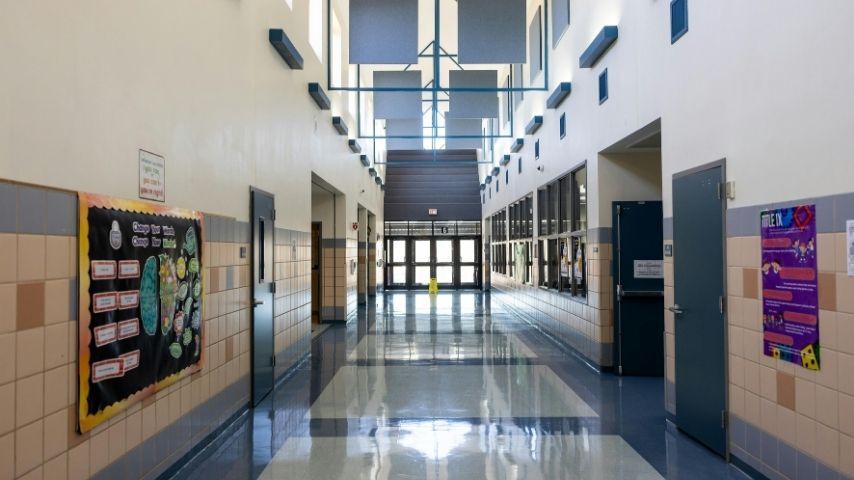
Summer break is the window when school floors can be fully restored instead of just maintained. With buildings empty, teams can work without disruption, correct wear patterns, and extend the life of flooring systems. A clear plan keeps the work on schedule and avoids rework when staff return.
Assessing Floor Conditions Before Work Begins
Start with a walkthrough of every area: classrooms, hallways, cafeterias, gyms, and entryways. Note the floor type—VCT, tile, concrete, wood—and document current condition. Look for finish breakdown, deep scratches, staining, and high-traffic wear paths.
This step determines scope. Some floors may need a full strip and refinish, while others only require a scrub and recoat. Skipping this assessment often leads to overworking some areas and neglecting others.
Building a Phased Summer Floor Care Plan
Divide the work into phases based on building use and time available. For most schools, a three-phase plan works well:
Phase 1: Deep Cleaning and Stripping
Remove built-up finish, dirt, and contaminants. Use appropriate stripping chemicals and allow enough dwell time. Rushing this step leaves residue that affects adhesion of new finish.
Phase 2: Repairs and Surface Prep
Address damaged tiles, uneven areas, or adhesive issues. For gym floors or wood surfaces, this may include sanding or spot repairs. Proper prep ensures the finish performs as expected.
Phase 3: Finishing and Curing
Apply multiple coats of finish, allowing full drying time between coats. Plan for curing time before reopening areas. This phase determines durability and appearance, so consistency matters.
Matching Products and Methods to Floor Types
Not all school floors should be treated the same. VCT requires stripping and refinishing, while sealed concrete may need burnishing or densifier treatments. Wood gym floors require specialized coatings and careful moisture control.
Using the wrong product or method can shorten floor life or create safety issues. Always align chemicals, pads, and equipment with the specific surface.
Scheduling Work for Efficiency
Sequence work to minimize downtime and maximize crew productivity. Start with areas least likely to be accessed, and finish with main entrances. Coordinate with other summer projects like painting or HVAC work to avoid contamination or delays.
Build in buffer time. Floors often take longer than expected due to drying conditions, humidity, or unforeseen repairs.
Common Gaps in Execution
One frequent issue is inadequate stripping. If old finish isn’t fully removed, new coats won’t bond properly, leading to peeling within months.
Another is rushing drying and curing times. Even if floors look dry, they may not be ready for traffic. Early use can damage the finish and require costly rework.
Training and Quality Control
Ensure staff understand each step and the reason behind it. Assign a supervisor to check work between phases—especially after stripping and before finishing. Small issues caught early prevent large problems later.
Consistent application techniques also matter. Uneven coats or missed edges reduce both appearance and durability.
Long-Term Impact of Proper Summer Floor Care
A well-executed summer floor care plan reduces maintenance during the school year. Floors stay cleaner, require less frequent burnishing, and maintain a professional appearance longer.
More importantly, it protects the investment. Replacing flooring is far more expensive than maintaining it correctly.
Practical Takeaway
Plan summer floor care like a project, not a task. Assess conditions, phase the work, match methods to materials, and allow proper time for each step. When done right, the results last the entire school year and reduce ongoing workload.



Enjoy this blog? Leave a comment or ask a question!