

Still dull after cleaning? Finish peeling after a recoat? Before you add another layer of “wax,” take a closer look at the process.
VCT—vinyl composition tile—needs a floor-care program that fits the building. What is commonly called VCT wax is usually a floor finish. The goal is not simply more shine today. It is a floor your team can maintain consistently without unnecessary stripping and rework.
Start with the problem, not another coat
Check where the problem appears and when it started. Trouble near entrances may point to tracked-in soil. Trouble immediately after recoating deserves a closer look at preparation and drying. One photo cannot establish the cause; review the products, equipment, and steps used.
1. Old finish is not coming off evenly
Before increasing the strength of the stripper, check its label, dilution, and compatibility with the floor. More concentrate is not automatically a better answer. Use the manufacturer's procedure for dwell time, agitation, and recovery, and do not let stripping solution dry on the floor.
Work in manageable sections. Block access, use the protective equipment specified for the products, and keep people off the wet floor. Stripping solution and removed finish can create a serious slip hazard.
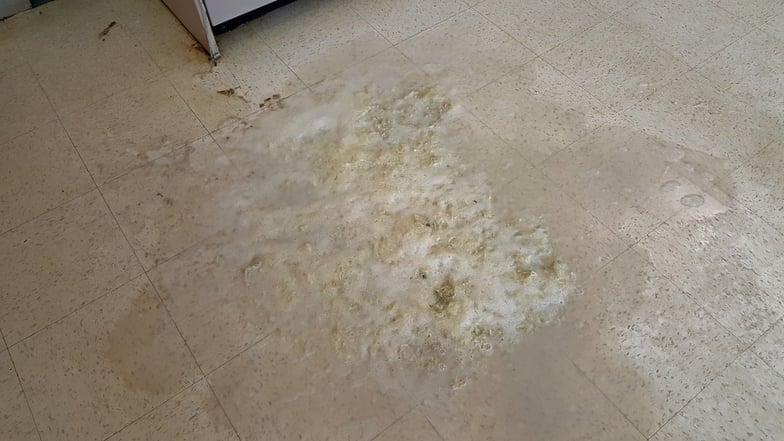
2. Patches of finish remain after scrubbing
Check machine coverage, pad condition, and contact with the floor. Missed areas need attention before recoating—not another layer of finish to hide them. Follow the flooring manufacturer's pad recommendations rather than assuming the most aggressive pad is best.

Equipment choice matters, too. Our guide to whether a floor scrubber is an investment or an expense helps you think through the job the machine needs to do.
3. New finish flakes or fails to bond
Review surface preparation first. Recover the dirty solution completely and follow the product instructions for rinsing or neutralizing. Do not assume every stripping system needs the same neutralizer or the same pH target.
The floor must be clean and dry before finish is applied. If the problem repeats, check compatibility between the flooring, remaining coating, and new finish before treating the whole area again.
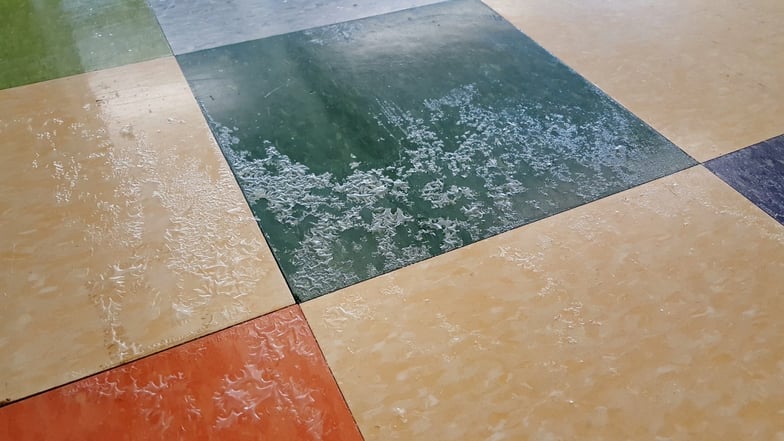
4. Tiles are loose or the surface is damaged
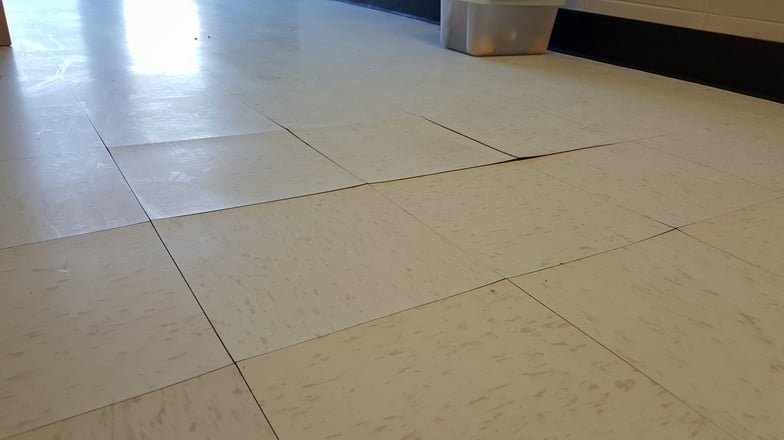
Stop and assess the floor before continuing. Loose tiles and damaged surfaces are not problems another coat can fix. Avoid flooding the floor, and follow the flooring manufacturer's maintenance limits. Have the cause evaluated before deciding on repair, replacement, or further refinishing.
A consistent program starts with your facility and the people doing the work. See how Action helped a school build a floor restoration and maintenance program. That example involves terrazzo, not VCT; the shared lesson is to match the process to the surface and the team's needs.

5. The recoat looks dull or uneven
Check application and drying before blaming the finish. Use clean application tools, apply coats as directed, and let each coat dry thoroughly before the next. Follow the product's return-to-traffic instructions as well; ready for another coat does not necessarily mean ready for normal use.
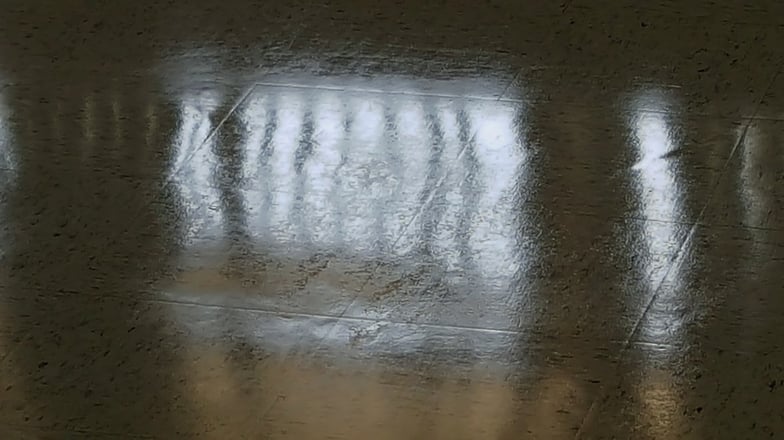
Choose a finish for your traffic and maintenance routine—not the solids percentage alone. Ask whether it suits the flooring and whether your team can provide the cleaning, recoating, and any burnishing it requires.
Keep the next problem from walking in
- Manage the entrance. Use and maintain entrance matting. Remove tracked-in grit and winter salt before they travel farther into the building.
- Remove loose soil routinely. Keep dust mops and other tools clean so the crew is collecting dirt, not moving it around.
- Match the cleaner to the finish. Follow the recommended product and dilution. Do not reach for a stronger chemical just because the floor looks dull.
- Check the equipment. Inspect pads and solution-recovery components. If a machine is not working correctly, get equipment repair help before it disrupts the routine further.
- Keep the process consistent. Make the steps easy to follow and share Action Academy resources with your team.
Does every dull VCT floor need stripping?
No. Depending on the condition and finish system, cleaning or a scrub-and-recoat may be appropriate. Heavy buildup, failed finish, or other problems may call for a full strip. Assess the floor first and use the manufacturer's guidance to choose the next step.

There is no universal number of years a facility can go without stripping. Traffic, floor condition, finish selection, and daily care all matter.
If the same problem keeps coming back, talk to Action Unlimited Resources. We start with your facility, look at the process, and help your team find a practical next step.
With Action. It's handled.



Enjoy this blog? Leave a comment or ask a question!