
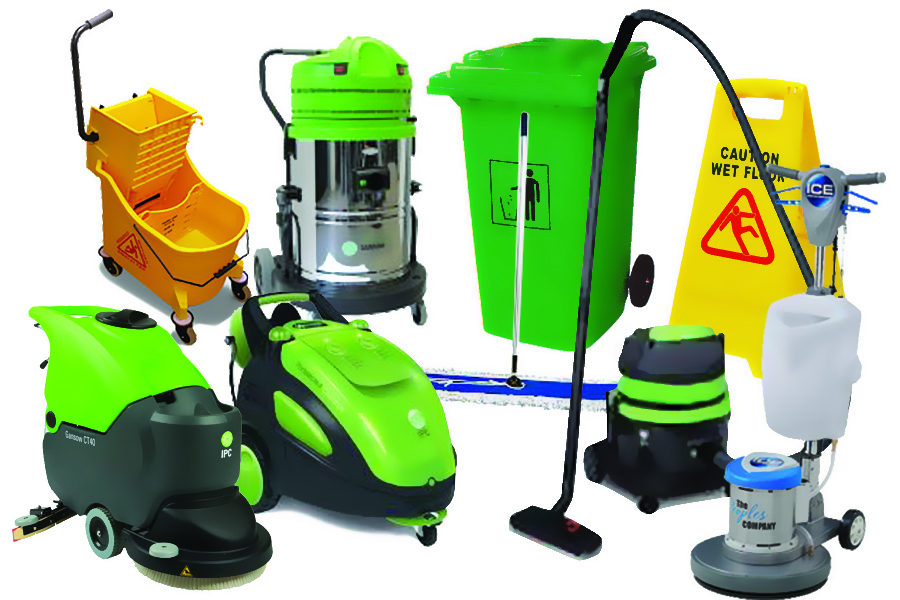
Professional cleaning equipment takes a beating. It gets used every day, moved through tight doorways, loaded into vehicles, and sometimes handed from one operator to the next without much explanation.
Then something stops working, and the first response is often tape, a quick wire splice, or “we’ll deal with it later.” That may get the machine through the shift. It can also turn a manageable repair into a much more expensive one.
Here are four practical ways to protect your cleaning equipment and get more useful life from it.
1. Don’t compromise on the machine you actually need
The cheapest machine isn’t always the least expensive option. If it’s undersized, poorly matched to the floor, or difficult for the crew to use, the facility may pay for that decision through extra labor, inconsistent results, and early repairs.
Start with the work:
- What type of floor or surface are you cleaning?
- How large is the area?
- What kind of soil are you removing?
- How often will the equipment run?
- Who will operate and maintain it?
A machine that works well in a small office may be a poor fit for a school hallway, warehouse, or large public facility. Noise, filtration, battery runtime, recovery capacity, maneuverability, and storage space may all matter—but they don’t matter equally in every building.
This is why we recommend treating cleaning equipment as an investment. Choose the machine around the actual job, not simply the lowest number on the quote. If the choice isn’t obvious, an equipment specialist can help compare the real operating tradeoffs before you buy.
2. Make basic maintenance part of the shift
Preventive maintenance doesn’t begin when a technician arrives. A large part of it happens in the few minutes after the operator finishes using the machine.
For vacuums, check bags and filters, remove wrapped debris from the brush area, and wipe dust from the housing. Those small steps help keep airflow where it should be and make developing problems easier to spot.
For automatic scrubbers and carpet extractors, drain and rinse the recovery tank after use. Clean the squeegee blades or vacuum shoe, remove collected debris, and check that nothing is blocking the machine’s pickup path. Emptying and rinsing the solution system as recommended for the machine also helps prevent buildup that can interfere with filters, valves, jets, and solution lines.
These aren’t complicated jobs, but they need to belong to someone. If everyone assumes the next operator will handle them, they usually don’t happen.
Regular care can also reduce avoidable vacuum repair problems. Our related article explains how routine attention can help you cut down on vacuum repair costs.
3. Store equipment like you plan to use it again
A machine can be cleaned correctly and still be damaged by poor storage.
Don’t leave an automatic scrubber or carpet extractor sitting with dirty water in the recovery tank. Don’t store a floor machine resting on its brush or pad driver, where it can become distorted and affect performance. Keep cords properly wrapped, accessories off the floor, and machines away from standing water or persistently damp areas.
Battery-powered equipment needs a storage and charging routine that matches the battery and manufacturer’s instructions. The crew should know where the machine belongs, when it should be charged, and who is responsible for checking it. Guesswork is hard on batteries.
The storage area matters too. If operators have to squeeze equipment into a crowded closet, climb over supplies, or disconnect accessories just to make everything fit, damage becomes much more likely. A few minutes spent organizing the space can prevent a lot of unnecessary wear.
4. Protect the machine during transportation
Moving equipment between facilities can be harder on it than the cleaning itself. Wheels, casters, squeegee assemblies, handles, wiring, and brush components can all be damaged when a machine shifts or takes a hit in transit.
Whenever possible, leave frequently used equipment at the location where it works. If it must travel, use a ramp or lift gate rated and sized for the machine and vehicle. Secure the equipment so it can’t roll or tip, and remove or protect any part that extends beyond the body of the machine.
This is also a labor and safety issue. If loading a machine requires employees to improvise, muscle it into a vehicle, or use a ramp that’s too narrow or steep, the transportation setup needs another look.
For more considerations before moving or renting floor equipment, see these floor-buffer rental tips.
When a small problem starts, don’t wait
A machine that sounds different, leaves water behind, loses suction, runs for less time, or becomes harder to steer is telling you something. Continuing to operate it can increase the damage and leave the facility without the equipment when it’s needed most.
Start with the simple checks your team is trained to perform. If the problem continues, stop using the machine and have it inspected. Tape and temporary wiring aren’t repair plans.
Action services commercial cleaning equipment—even when it wasn’t purchased from us. If a machine is down or simply isn’t performing the way it should, tell us what’s happening. We’ll help you figure out the next step.



Enjoy this blog? Leave a comment or ask a question!